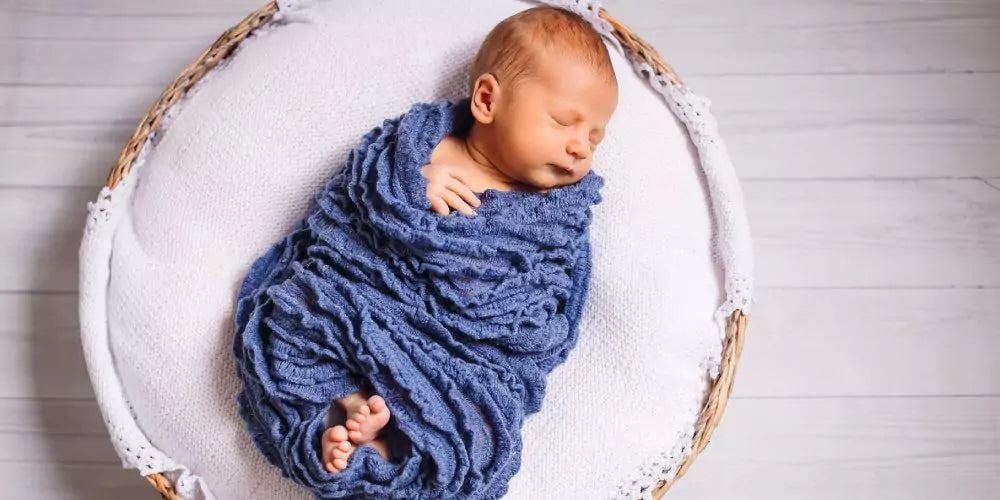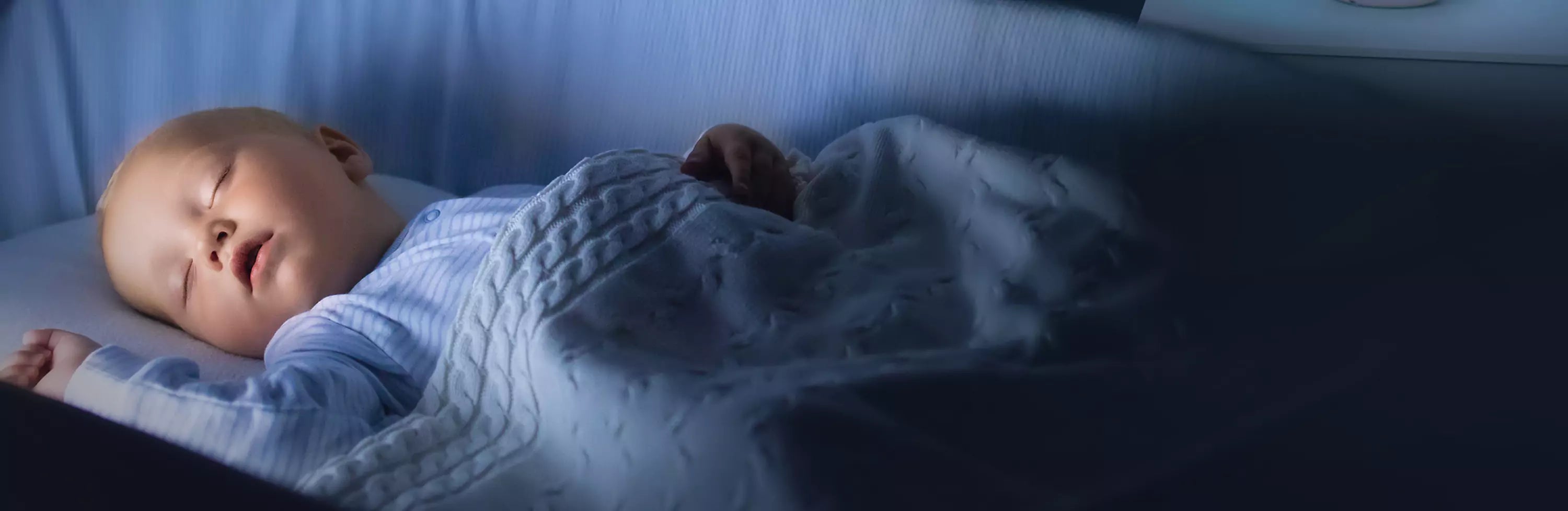

You watch your newborn sleep. Their face scrunches. Their arms jerk. A tiny whimper escapes their lips. You wonder: Is my baby having a nightmare?
This question keeps many new parents awake at night. The short answer is that experts don't believe newborns have bad dreams the way older children and adults do. While it's natural to worry when you see your infant's distressed expressions during sleep, understanding the science behind newborn sleep patterns can help ease your concerns.
Can Babies Have Nightmares? Understanding Infant Sleep
The question "can infants have bad dreams" is more complex than it seems. To understand whether newborns having nightmares is possible, we need to look at how infant brain development works.
Newborns spend about 16 to 17 hours asleep each day. Half of that time happens in REM (rapid eye movement) sleep—the stage where older children and adults have vivid dreams. However, a newborn's brain works differently from an older child's brain.
Dreams require certain cognitive abilities:
- The capacity to imagine scenarios
- Memory of past experiences
- The ability to create mental images
- Emotional processing of events
Newborns haven't developed these skills yet. They lack the life experience and brain development needed to construct dreams. Their world consists of basic needs: hunger, comfort, warmth, and connection. This means that while you might observe what looks like distress, the answer to "do infants get nightmares" is largely no—at least not in the way we understand nightmares.
Why Your Baby Moves During Sleep: Decoding Infant Bad Dreams Concerns
Those twitches, grimaces, and sounds don't mean your baby has nightmares. When parents ask "is my newborn having nightmares," what they're usually observing are normal physiological responses. Here's what causes them:
Active Sleep Patterns
Newborns cycle through sleep stages rapidly. During REM sleep, their nervous system stays active, leading to random movements, facial expressions, and sounds. This is completely normal and doesn't indicate newborn bad dreams or distress.
Brain Development
These movements actually help your baby's brain form connections. The twitches serve a crucial purpose in neural development. What might look like signs of discomfort is actually your baby's brain doing important developmental work.
Physical Reflexes
Newborns have reflexes they can't control. The startle reflex (Moro reflex) can make babies throw their arms out or wake with a jolt. This reflex can be particularly pronounced and might make you wonder about newborns and nightmares, but it's simply a primitive reflex that all healthy infants have.
Digestive Activity
Gas, bowel movements, and digestion continue during sleep. These can cause grunts, squirms, and facial expressions that look like distress but are simply your baby's body doing its normal work.
When Do Babies Have Nightmares? The Timeline of Dream Development
Understanding when babies develop the capacity for dreams helps answer the persistent question: "when do babies have nightmares?"
Researchers believe dreams develop between 18 months and 2 years of age. This timing matches other cognitive milestones:
- Language development
- Symbolic thinking
- Stronger memory formation
- Greater self-awareness
Can 4 Month Old Have Nightmares?
At four months, babies are still too young for true nightmares. However, this age often coincides with developmental changes that can disrupt sleep. If your four-month-old seems restless at night, it's more likely related to growth spurts or emerging awareness rather than bad dreams.
Can 6 Month Olds Have Nightmares?
By six months, babies have developed more complex emotions and memories, but most experts agree that true nightmares are still uncommon. However, babies at this age can experience sleep disruptions due to:
- Separation anxiety beginning to emerge
- Increased awareness of their surroundings
- Teething discomfort
- Changes in sleep patterns
Toddlers begin to report simple dreams around age 2 or 3. These early dreams tend to be static images rather than complex stories. True nightmares become more common between ages 3 and 6, when imagination expands and children process their experiences through sleep.
Do Newborns Have Night Terrors? Understanding the Difference
Many parents wonder "can newborns have night terrors" when they see their baby cry intensely during sleep. Night terrors differ from nightmares and typically don't affect newborns.
Night terrors occur during deep non-REM sleep and can affect children as young as 18 months. During a night terror, a child may:
- Scream or cry intensely
- Sit up with eyes open but not be awake
- Not recognize or respond to parents
- Have no memory of the episode
Night terrors are rare in newborns. If your newborn cries at night, they need something: food, a diaper change, comfort, or help with gas—not rescue from a nightmare.
Sleep Regressions in Babies: When Good Sleep Goes Bad
One reason parents often ask "why do infants have nightmares" is because of sudden changes in sleep patterns. However, these changes are usually due to sleep regressions rather than bad dreams.
What Is Sleep Regression in Babies?
Sleep regression occurs when a baby who has been sleeping well suddenly starts waking frequently or having trouble falling asleep. Common regression periods include:
8 Week Sleep Regression: Around two months, babies become more alert and their sleep cycles begin to mature, leading to more frequent wakings.
9 Week Sleep Regression: This overlaps with the 8-week regression and often involves increased fussiness and shorter naps.
4 Month Sleep Regression: This is one of the most challenging periods, as babies transition to more adult-like sleep patterns with distinct sleep cycles.
These regressions aren't about infant nightmares—they're developmental milestones that temporarily disrupt sleep as your baby's brain and body grow.
Why Do Infants Fight Sleep?
Another common concern that gets confused with nightmare anxiety is sleep resistance. Parents often wonder why their baby seems afraid to sleep, asking "do infants have bad dreams" when their baby cries at bedtime.
Infants fight sleep for several reasons:
- Overtiredness: Ironically, being too tired makes it harder for babies to fall asleep
- Overstimulation: Too much activity before bedtime can make settling difficult
- Discomfort: Gas, reflux, or being too hot or cold
- Developmental leaps: New skills like rolling over can make babies want to practice instead of sleep
- Separation anxiety: As babies grow, they become more aware that sleep means being apart from parents
Overtired Newborn Signs
Recognizing when your baby is overtired can help prevent sleep struggles:
- Rubbing eyes or ears
- Becoming hyperactive or "wired"
- Difficulty focusing or making eye contact
- Increased fussiness or crying
- Yawning
- Jerky movements
- Arching back
Can Babies Sense Bad Energy? Addressing Common Concerns
Some parents wonder if their baby's sleep disturbances are related to environmental factors. "Can babies sense bad energy" is a question that reflects parental intuition that something is affecting their baby's peace.
While babies can't sense "bad energy" in a supernatural sense, they are incredibly sensitive to:
- Parental stress and anxiety (babies pick up on emotional cues)
- Household tension or conflict
- Environmental factors like noise, light, and temperature
- Changes in routine or caregivers
Your baby's distress is more likely related to these tangible factors than to nightmares or sensing negative energy.
Newborn Wakes Up Every Hour Crying: When to Worry
If your newborn wakes up every hour crying, it's understandable to wonder about infant bad dreams. However, frequent waking is typically caused by:
- Hunger (newborns have small stomachs and need frequent feedings)
- Discomfort from gas or reflux
- Wet or soiled diapers
- Temperature issues (too hot or cold)
- Need for comfort and connection
- Illness or medical issues
Consult your pediatrician if frequent waking persists or is accompanied by other concerning symptoms.
Signs of Autism in Babies: When Sleep Issues May Signal More
While most sleep disturbances in infants are normal, some parents worry about developmental concerns. It's important to note that sleep issues alone don't indicate autism, but autism spectrum disorder symptoms in infants can include:
Early Signs of Autism in Babies:
- Limited eye contact
- Not responding to their name by 12 months
- Lack of social smiling
- Not babbling or cooing by 12 months
- Repetitive movements
- Extreme sensitivity to sensory input
Autism Infants Signs Related to Sleep:
- Severe sleep disturbances that don't improve with typical interventions
- Unusual sleep patterns combined with other developmental delays
- Difficulty with transitions and routine changes
If you notice multiple signs of autism in babies along with sleep issues, discuss your concerns with your pediatrician. However, remember that most infant sleep problems are developmental and temporary, not indicators of autism.
How to Respond to Your Newborn's Sleep Movements
Most sleep movements are normal and don't require action. Your baby will settle back into calm sleep on their own.
You should respond when:
- Your baby cries persistently
- They show signs of hunger (rooting, sucking motions)
- They seem uncomfortable or in pain
- Their diaper needs changing
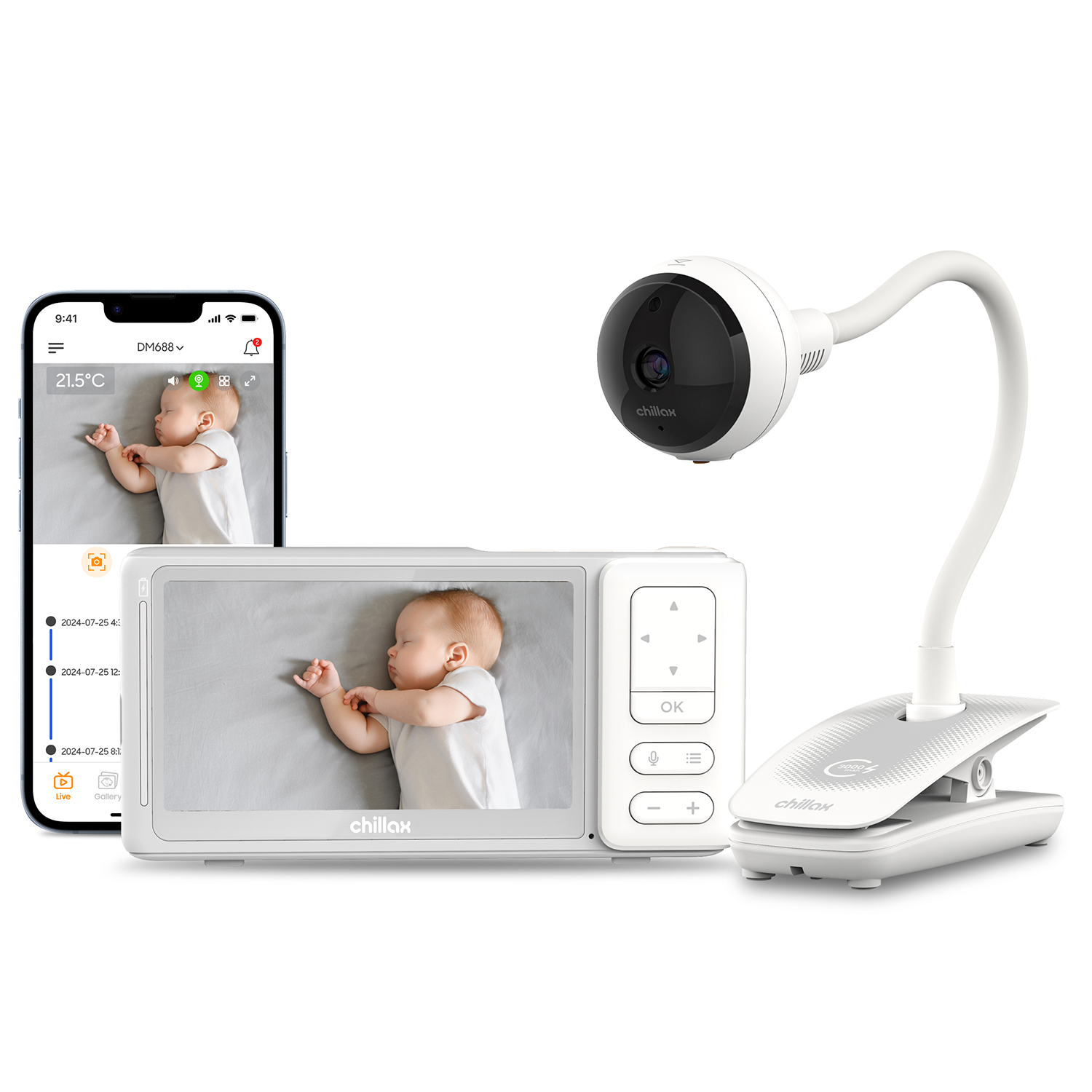
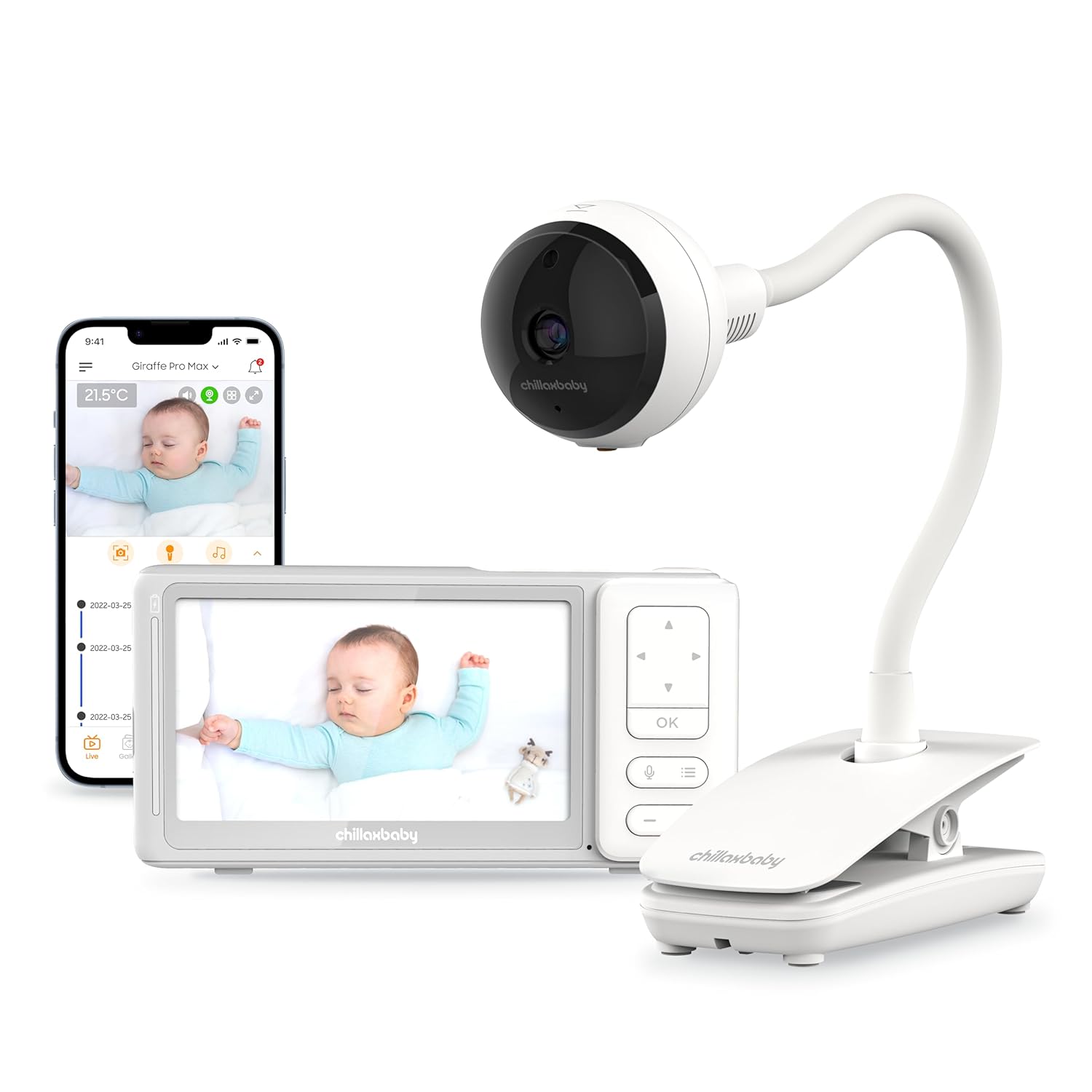
You don't need to pick up your baby for every small sound or movement. This can disrupt their sleep cycle and prevent them from learning to self-soothe. A great way to monitor your newborn's nightly movements is by using the Chillax DM568 baby monitor, which allows you to observe without disturbing your baby's sleep.
Creating Better Sleep for Your Newborn
While you can't prevent normal sleep movements, you can create an environment that promotes restful sleep and reduces the chances of sleep disruptions:
Keep the Room Dark: Use blackout curtains to signal sleep time and support your baby's circadian rhythm development.
Maintain a Comfortable Temperature: Dress your baby in one more layer than you wear. The room should stay between 68 and 72 degrees Fahrenheit.
Use White Noise: A consistent sound can mask household noise and help your baby stay asleep through normal sleep cycles.
Establish a Routine: Even newborns benefit from a consistent bedtime routine. A bath, feeding, and quiet time signal that sleep comes next.
Practice Safe Sleep: Place your baby on their back in a crib or bassinet with no loose blankets, pillows, or toys.
Watch Wake Windows: Avoid keeping your baby awake too long, which can lead to overtiredness and more difficult sleep.
Respond to Early Sleep Cues: Don't wait until your baby is screaming to put them down. Watch for yawning, eye rubbing, and decreased activity.
When to Talk to Your Pediatrician
Contact your doctor if your newborn:
- Stops breathing for more than 10 seconds during sleep
- Turns blue or pale during sleep episodes
- Seems excessively sleepy and hard to wake for feedings
- Cries for hours without comfort
- Shows signs of pain or discomfort that don't resolve
- Has extreme difficulty sleeping that doesn't improve with typical interventions
- Exhibits developmental concerns alongside sleep issues
These symptoms may indicate a medical issue rather than normal sleep behavior or the question of whether infants can have nightmares.
The Bottom Line: Understanding Newborns Having Bad Dreams
Your newborn's sleep twitches, sounds, and facial expressions don't mean they're having bad dreams. Their brain hasn't developed the capacity for nightmares yet. These movements reflect normal brain development and sleep cycles.
The answers to common questions are clear:
- Can newborns have nightmares? No, their brains aren't developed enough
- Do infants get nightmares? Not until around 18-24 months at the earliest
- Can infants have bad dreams? No, they lack the cognitive capacity for complex dreams
- Can 4 month old have nightmares? Very unlikely, though sleep may be disrupted for other reasons
- Can 6 month olds have nightmares? Still uncommon, though awareness is increasing
As your baby grows, their sleep will mature. The jerky movements will decrease. Their sleep cycles will lengthen. And yes, eventually they will have dreams—both good and bad.
For now, you can rest easier knowing that those midnight grimaces don't reflect scary experiences. Your newborn's inner world remains simple, focused on the basics of survival and the comfort of your presence. The movements and sounds you observe are not infant nightmares but rather the beautiful, messy process of a developing brain learning how to regulate sleep, process sensory information, and grow into the person they'll become.
Understanding the difference between normal newborn sleep behavior and actual concerns helps you respond appropriately to your baby's needs while getting the rest you both deserve.
Establish a Routine: Even newborns benefit from a consistent bedtime routine. A bath, feeding, and quiet time signal that sleep comes next.
Practice Safe Sleep: Place your baby on their back in a crib or bassinet with no loose blankets, pillows, or toys.
When to Talk to Your Pediatrician
Contact your doctor if your newborn:
- Stops breathing for more than 10 seconds during sleep
- Turns blue or pale during sleep episodes
- Seems excessively sleepy and hard to wake for feedings
- Cries for hours without comfort
- Shows signs of pain or discomfort that don't resolve
These symptoms may indicate a medical issue rather than normal sleep behavior.
The Bottom Line
Your newborn's sleep twitches, sounds, and facial expressions don't mean they're having bad dreams. Their brain hasn't developed the capacity for nightmares yet. These movements reflect normal brain development and sleep cycles.
As your baby grows, their sleep will mature. The jerky movements will decrease. Their sleep cycles will lengthen. And yes, eventually they will have dreams—both good and bad.
For now, you can rest easier knowing that those midnight grimaces don't reflect scary experiences. Your newborn's inner world remains simple, focused on the basics of survival and the comfort of your presence.