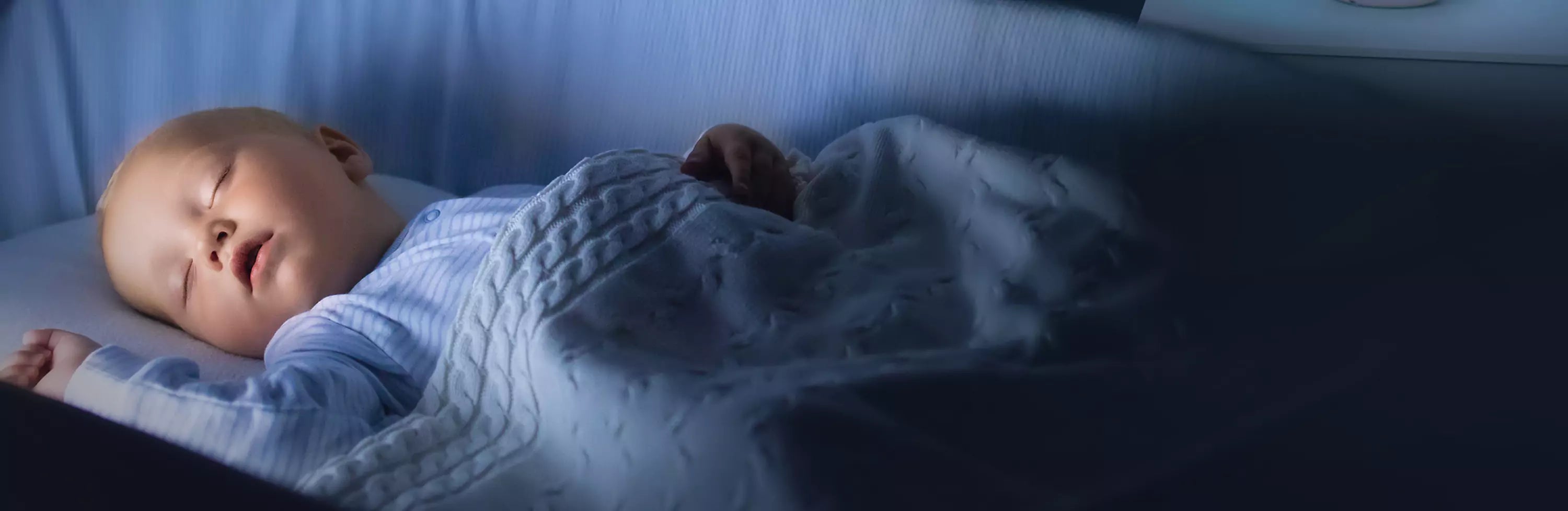

As a new parent, one of the most common questions you may have is how to dress your baby for sleep. With so many options for baby sleepwear, it can be overwhelming to figure out what is best for your little one. In this comprehensive guide, we will discuss the different types of baby sleepwear, answer your most pressing questions about sleep sacks, and provide expert tips on how to dress your baby for safe sleep and restful nights.
Types of Baby Sleepwear
There are several types of baby sleepwear to choose from, including onesies, pajamas, and sleep sacks. Onesies are one-piece garments that cover the baby's torso and snap at the crotch. They are a popular choice for newborns and can be worn alone or paired with pants. Pyjamas are two-piece sets that typically consist of a top and bottom. They come in a variety of styles and materials, such as cotton or fleece. Sleep sacks are wearable blankets that keep the baby warm and cozy without the risk of loose blankets in the crib.
What is the Purpose of a Sleep Sack?
A baby sleep sack, also known as an infant sleeping bag, serves multiple important functions. The primary purpose of a sleep sack is to provide warmth and comfort while maintaining safe sleep practices. Unlike traditional blankets, which can pose suffocation risks, a sleep sack baby wears stays securely in place throughout the night. These wearable blankets allow babies to move their legs freely while keeping their upper body and core warm, promoting better sleep quality and reducing the risk of overheating.
Sleep sacks for babies also help establish a consistent bedtime routine. When your little one is dressed in their toddler sleep sack or infant sleep sack, it signals that it's time for sleep. This consistency can help babies fall asleep faster and stay asleep longer.
Are Sleep Sacks Safe?
One of the most frequently asked questions by new parents is: are sleep sacks safe? The answer is yes—when used correctly, sleep sacks are one of the safest options for baby sleepwear. Major pediatric organizations recommend sleep sacks as a safe alternative to loose blankets in the crib. They eliminate the risk of blankets covering your baby's face during sleep, which can lead to suffocation or Sudden Infant Death Syndrome (SIDS).
Are Sleep Sacks Safe for Newborns?
Many parents wonder if they can use sleep sack for newborn babies. The good news is that newborn sleep sack options are specifically designed for the smallest sleepers. When choosing infant sleep sacks for newborns, look for models with appropriate sizing that fit snugly around the armholes and neck to prevent the baby from slipping down inside. Make sure the sleep sack isn't too large, as excess fabric can be a safety hazard.
Are Sleep Sacks Safe for Babies Who Can Walk?
As your child becomes more mobile, you might question whether sleep sacks remain appropriate. Are sleep sacks safe for babies who can walk? Yes, many parents continue using toddler sleep sacks well into the walking stage. In fact, sleep sacks can prevent toddlers from climbing out of their cribs. However, once your child transitions to a toddler bed and needs to get up independently during the night (for example, to use the bathroom), you'll want to consider when to switch from sleep sack to blanket.
When to Use a Sleep Sack
Understanding when to start using sleep sack options can help you make the best choice for your baby. You can begin using a newborn sleep sack from birth, as long as it fits properly. The transition to this safe sleep method can happen immediately, making sleep sacks an excellent choice from day one.
Many parents continue using sleep sacks until their child is two to three years old. The key is choosing age-appropriate sizes and monitoring your child's development to determine the right time to transition.
What to Wear Under Sleep Sack
Deciding what to wear under sleep sack layers depends on the room temperature and the TOG rating of your sleep sack. TOG (Thermal Overall Grade) measures the warmth of the sleep sack. Here are general guidelines:
For warmer rooms (72-75°F):
- A lightweight onesie or just a diaper under a lightweight sleep sack (0.5-1.0 TOG)
For moderate temperatures (68-72°F):
- A short-sleeve or long-sleeve onesie under a medium-weight sleep sack (1.0-2.5 TOG)
For cooler rooms (65-68°F):
- A long-sleeve onesie and footed pajamas under a warmer sleep sack (2.5-3.5 TOG)
The goal is to keep your baby comfortable without overheating, which is a risk factor for SIDS. Feel your baby's chest or back of the neck to check if they're too warm—they should feel warm but not sweaty or hot to the touch.
When to Switch to Sleep Sack from Swaddles
New parents often ask when to switch to sleep sack from swaddling. The American Academy of Pediatrics recommends transitioning from swaddles to sleep sacks when your baby shows signs of rolling over, typically around 2-4 months of age. Once babies can roll, swaddling becomes unsafe as it restricts arm movement needed to reposition themselves.
The transition doesn't have to be abrupt. Many sleep sacks come with convertible features, allowing you to keep one or both arms swaddled initially, then gradually free both arms as your baby adjusts.
How to Transition from Sleep Sack to Blanket
Eventually, you'll need to know how to transition from sleep sack to blanket. This typically happens between ages 2-3, though every child is different. Here are some tips for a smooth transition:
- Watch for readiness signs: Your child should be able to pull blankets on and off themselves and express comfort preferences
- Start gradually: Begin with nap times, allowing your child to use a lightweight blanket while you're nearby
- Choose appropriate bedding: Start with a small, lightweight blanket that won't be overwhelming
- Maintain routine: Keep other bedtime routines consistent to provide security during the change
- Be patient: Some children take weeks to adjust, and that's perfectly normal
You might also consider leaving the sleep sack available as an option initially, allowing your child to choose as they become comfortable with the blanket.
Are Sleep Sacks Necessary?
While exploring safe sleep for babies, you might wonder: are sleep sacks necessary? While not strictly required, sleep sacks offer significant advantages. They provide a safer alternative to loose blankets, help regulate body temperature, and can improve sleep quality for both baby and parents. Many families find that the best sleep sacks for babies become an invaluable part of their bedtime routine.
However, some babies sleep perfectly well in fitted pajamas without a sleep sack, especially in warmer climates. The key is ensuring your baby's sleep environment follows safe sleep guidelines: firm mattress, no loose bedding, appropriate room temperature, and back sleeping position.
Consider the Temperature
When dressing your baby for sleep, it's important to consider the temperature of the room. The ideal room temperature for a baby's sleep is between 68-72 degrees Fahrenheit. If the room is on the cooler side, you may want to dress your baby in a onesie and pajamas or a sleep sack. If the room is warmer, a onesie or just a diaper may be enough to keep your baby comfortable.
Using a room thermometer can help you maintain the optimal temperature. Remember that overheating is more dangerous than being slightly cool, so when in doubt, err on the side of lighter clothing.
Layering is Key
Babies can't regulate their body temperature as well as adults, so it's important to dress them in layers. This allows you to easily add or remove clothing as needed to keep your baby at a comfortable temperature. For example, you can dress your baby in a onesie and pajamas, and then add a sleep sack on top for extra warmth. This also makes it easier for nighttime diaper changes without fully undressing your baby.
Think of layering like this: each layer adds warmth, so adjust based on the season and room temperature. A general rule is to dress your baby in one more layer than you'd wear to be comfortable in the same environment.
Choose the Right Material
When it comes to baby sleepwear, the material is just as important as the style. It's best to choose soft, breathable materials such as cotton or bamboo. These materials are gentle on your baby's delicate skin and help regulate their body temperature. Avoid synthetic materials, as they can cause irritation and discomfort for your baby.
Look for baby sleep sacks and pajamas labeled as flame-resistant or meeting safety standards. Natural, breathable fabrics reduce the risk of overheating and provide comfort throughout the night.
Safety First: Safe Sleep for Babies
When dressing your baby for sleep, safety should always be a top priority. Avoid any clothing with strings, ties, or loose buttons that can pose a choking hazard. It's also important to make sure the sleepwear fits properly and is not too loose or too tight. Loose clothing can increase the risk of suffocation, while tight clothing can restrict movement and cause discomfort.
Beyond clothing choices, follow these safe sleep practices:
- Always place baby on their back to sleep
- Use a firm mattress with a fitted sheet
- Keep the crib free of pillows, stuffed animals, and loose blankets
- Ensure the sleep sack fits properly around the neck and armholes
- Avoid overheating by monitoring room temperature
- Consider room-sharing (but not bed-sharing) for at least the first six months
Safe Cosleeping Considerations
While discussing safe sleep for babies, it's important to address safe cosleeping. Many parents wonder about sharing a bed with their infant, but traditional bed-sharing carries significant risks. If you choose to room-share, use a bedside bassinet or co-sleeper that attaches to your bed. This allows you to be close to your baby while maintaining a separate, safe sleep surface.
If you do choose to bed-share despite the recommendations against it, never cosleep if you smoke, have consumed alcohol, or are taking medications that cause drowsiness. Always ensure the mattress is firm, remove all pillows and blankets near the baby, and ensure your baby cannot become trapped between the mattress and wall or headboard.
Consider Your Baby's Preferences
Every baby is different, and what works for one may not work for another. Pay attention to your baby's preferences and adjust their sleepwear accordingly. Some babies may prefer to sleep in just a onesie, while others may need a sleep sack to feel secure. As your baby grows and develops, their sleepwear preferences may change, so be open to trying different options.
Watch for cues that your baby is too warm (sweating, flushed cheeks, rapid breathing) or too cold (cool extremities, fussiness). Adjust layers accordingly to find your baby's comfort zone.
Finding the Best Sleep Sacks for Babies
With so many options on the market, finding the best sleep sacks for babies can feel overwhelming. Consider these factors when shopping:
- Size and fit: Choose age-appropriate sizing with snug neck and armholes
- TOG rating: Select based on your climate and season
- Material: Opt for breathable, natural fabrics
- Zipper placement: Bottom-up zippers make diaper changes easier
- Safety certifications: Look for products meeting current safety standards
- Reviews: Check what other parents say about durability and fit
Conclusion
By following these tips and understanding the role of sleep sacks in safe sleep practices, you can ensure that your baby is dressed comfortably and safely for a good night's sleep. Whether you choose a newborn sleep sack, infant sleeping bag, or traditional pajamas, remember to always prioritize safety and consider your baby's individual needs and preferences when choosing sleepwear.
Sleep sacks offer an excellent solution for maintaining safe sleep environments while keeping babies comfortable through the night. From understanding what to wear under sleep sack layers to knowing when to transition from sleep sack to blanket, being informed helps you make the best decisions for your little one. Sweet dreams, little one!