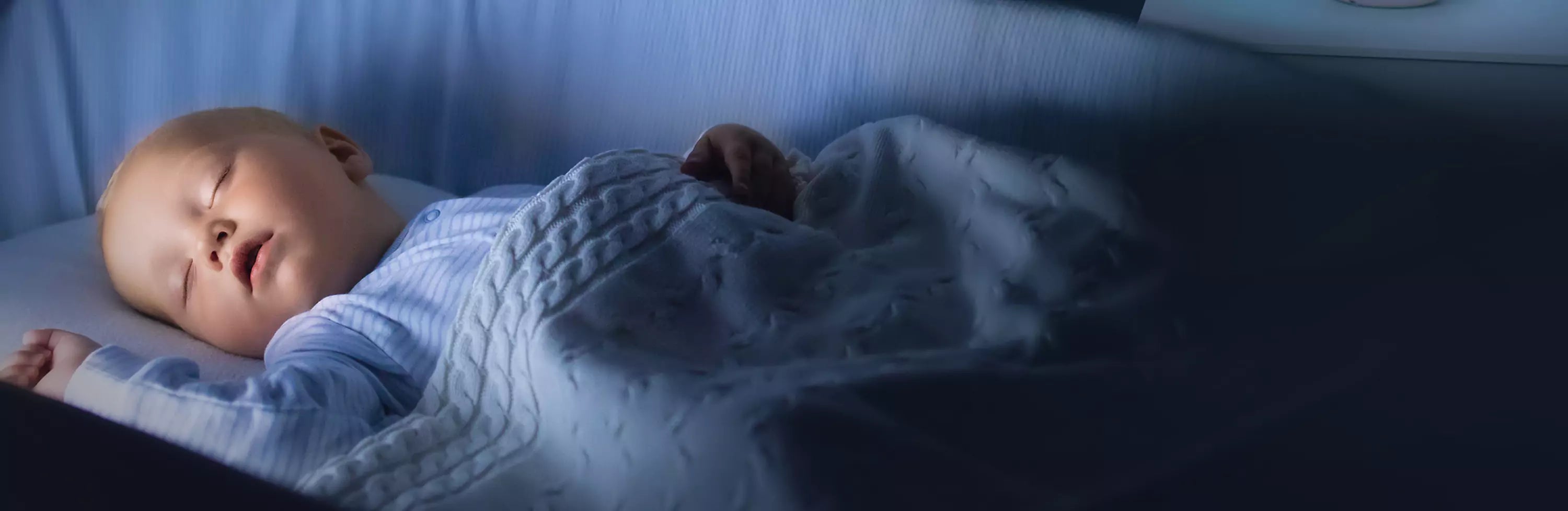

Yes, newborns can sleep with a pacifier, and many parents find it helps their baby settle down for sleep. The American Academy of Pediatrics actually recommends offering a pacifier at nap time and bedtime during the first year of life because it may reduce the risk of Sudden Infant Death Syndrome (SIDS).
When to Start Using a Pacifier
If you're breastfeeding, wait until nursing is well established before introducing a pacifier. This usually takes about three to four weeks. The delay helps prevent nipple confusion and ensures your milk supply gets off to a good start.
For formula-fed babies, you can offer a pacifier from birth if you choose to use one.
Safety Guidelines for Pacifier Use During Sleep
Keep these points in mind when your newborn sleeps with a pacifier:
Don't force it. If your baby spits out the pacifier after falling asleep, you don't need to put it back in. Many babies will use the pacifier to fall asleep and then let it go, which is perfectly fine.
Choose the right pacifier. Use a one-piece pacifier with a soft nipple. The shield should be firm and wider than your baby's mouth to prevent choking. Look for ventilation holes in the shield.
Keep it clean. Wash pacifiers with soap and water. For newborns under six months, sterilize pacifiers regularly by boiling them for five minutes.
Never attach strings or clips during sleep. While pacifier clips are useful during the day, remove them before putting your baby down to sleep. Strings pose a strangulation risk.
Replace worn pacifiers. Check for cracks, tears, or sticky spots. Throw away damaged pacifiers right away.
The SIDS Connection
Research shows that pacifier use during sleep is linked to a lower risk of SIDS. Scientists don't know exactly why this protective effect exists, but theories include:
- Pacifiers may help keep the airway open
- Babies may not sleep as deeply with a pacifier
- The sucking motion might help babies wake more easily if they have trouble breathing
The protective effect appears to work even if the pacifier falls out during sleep.
Common Concerns About Pacifiers
What if the pacifier falls out at night?
You don't need to replace it. The protective benefit against SIDS seems to come from offering the pacifier at the start of sleep, not from keeping it in all night.
Learn How To Get a Newborn to Sleep in a Bassinet
Will a pacifier cause dental problems?
Pacifier use during the newborn period and first year doesn't typically cause dental issues. Problems may develop if your child still uses a pacifier after age two or three, when permanent teeth start to come in.
Can pacifiers cause ear infections?
Some studies suggest a link between pacifier use and ear infections in older babies. However, the SIDS reduction benefit outweighs this risk during the first year. You can reassess pacifier use after your baby turns one.
Will my baby become dependent on the pacifier?
Some babies do rely on pacifiers to fall asleep. Most experts suggest weaning from the pacifier between six months and one year, or by age two at the latest. Each family needs to weigh the benefits and drawbacks based on their situation.
Tips for Success
Offer, don't insist. Some babies love pacifiers. Others reject them completely. Both responses are normal. Don't force your baby to take a pacifier if they're not interested.
Time it right. Offer the pacifier when your baby is calm or drowsy, not when they're upset or very hungry. A screaming baby will probably just spit it out.
Have backups. Keep several clean pacifiers on hand. Babies have a talent for dropping or losing them at inconvenient times.
Stay consistent. If you choose to use a pacifier for sleep, offer it for every sleep time, including naps. Consistency helps establish the routine.
When to Skip the Pacifier
Hold off on pacifier use if:
- Your baby is having trouble breastfeeding
- Your baby is not gaining weight properly
- Your baby is younger than three to four weeks and you're still establishing breastfeeding
Talk to your pediatrician if you have concerns about whether a pacifier is right for your newborn.
The Bottom Line
A pacifier can be a safe and helpful sleep tool for newborns when used correctly. The SIDS protection benefit makes pacifiers worth considering during the first year. Follow basic safety rules, keep pacifiers clean, and don't worry if your baby spits it out during sleep. Like many parenting decisions, pacifier use is a personal choice that depends on what works for your family.